

Marble window sills (also known as window sill stones or bay window sills) are practically standard fixtures in modern homes, combining functionality with aesthetics. Below, we'll explain their uses and how to use them.
1. Function: They're the window sill's "armor" and "a beautiful addition."
Protecting the window sill's exterior corners
- Marble's high hardness prevents peeling, mold, and cracking from bumps, rain, and condensation, extending the building's lifespan.
Waterproof and moisture-proof
- Natural stone absorbs little water, preventing rainwater from seeping through cracks in the wall during the rainy season in southern China.
Sun-resistant and deformation-resistant
- They resist warping and cracking under prolonged sun exposure, outlasting wood or ordinary paint.
Easy to clean
- The entire surface is seamless, making dust and coffee stains easily wiped away, and subsequent maintenance is virtually cost-effective.
Decorative
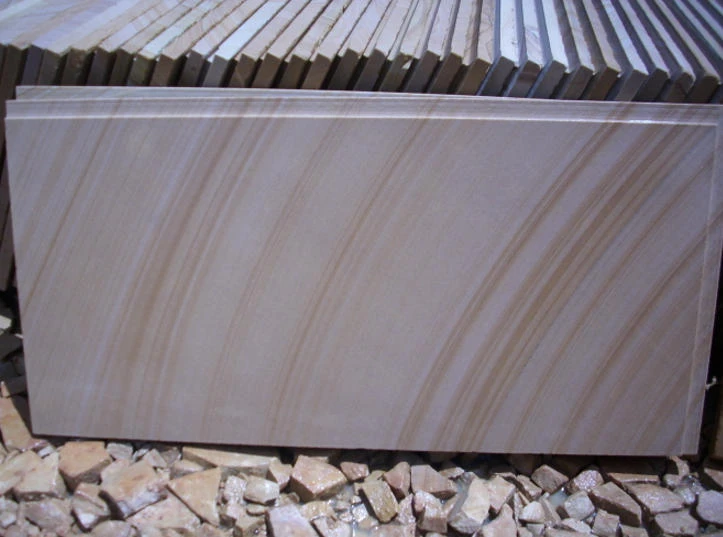
- The natural texture lends a luxurious feel, instantly transforming a "white wall and window" into a focal point. Increase usable area
- Extending the bay window area with "ears" allows for placement of plants, books, or even a mini desk.
Hidden radiator/curtain box
- The protruding "ears" can partially cover the radiator, creating a neater look, and can also double as curtain box closures.
II. Design: From material selection, shape, to installation details
Material and color selection
- Medium- to low-density marble (beige, light gray, jazz white, etc.) is preferred, offering rich textures and a good value.
- Avoid pure white or soft varieties, as they can yellow or bleed under prolonged sunlight.
Edge type (grinding)
- Classic straight edges, rounded edges, thickened French edges, and shaped corners... Rounded or chamfered edges can prevent bumps and are especially recommended for children's rooms.
- For a minimalist style, a "flat surface with a 0.5 cm indentation" technique creates clean lines. Size and "Ears"
- Add 2–3 cm more than the window opening on each side to create "ears," covering the gap and adding depth.
- For a bay window desk, the recommended total depth is ≥ 60 cm (50 cm for a regular bay window sill + 3 cm for ears x 2).
Laying and Finishing
- Lay the entire piece to minimize gaps; pad the bottom and secure with white cement or marble glue to prevent hollows.
- Seal the joint with the wall with weather-resistant glue of the same color to prevent rainwater from running back.
Details and Maintenance
- Do not place heavy objects on the window within 48 hours of installation.
- Avoid daily use of acidic cleaners; apply a penetrating stone protector every six months to prevent seepage and alkali.
In a nutshell: Marble window sills = "give your window a practical and beautiful stone hat." A one-time investment, ten years of peace of mind.