

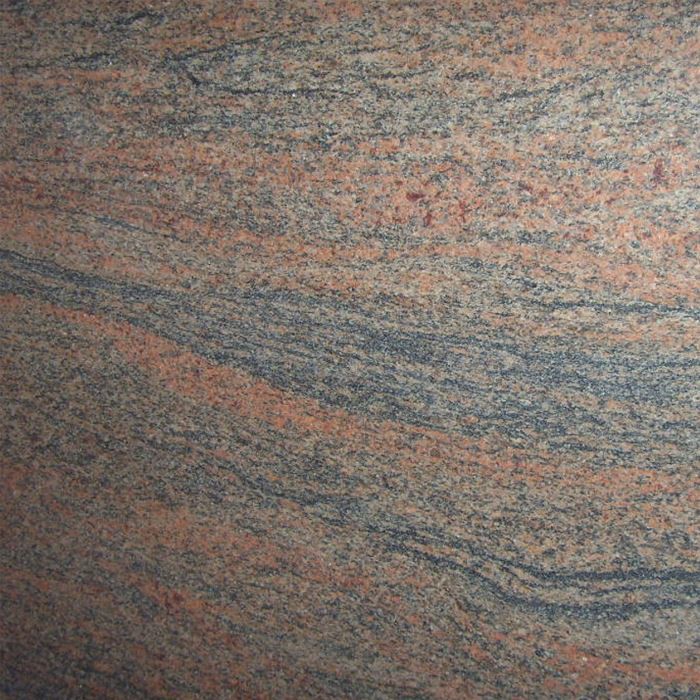
As a supplier of Rosa Pink Granite, I've witnessed firsthand the allure and beauty of this natural stone. Rosa Pink Granite is highly sought after for its stunning pink hues and unique patterns, making it a popular choice for various construction and design projects. However, like all mining activities, extracting Rosa Pink Granite has significant environmental impacts that we need to understand and address.
1. Habitat Destruction
Mining Rosa Pink Granite often requires large - scale land clearing. The process of opening up a granite quarry involves removing the existing vegetation and topsoil. This destruction of natural habitats has far - reaching consequences for local flora and fauna.
Many plant species that are native to the mining area may be uprooted and lost. These plants are not only important for maintaining soil stability but also serve as a food source and shelter for various animals. For example, small mammals and birds rely on the local plants for nesting and foraging. When these habitats are destroyed, the populations of these species can decline rapidly.
In addition, the fragmentation of habitats due to mining can isolate populations of animals. This isolation can lead to inbreeding, which reduces genetic diversity and makes the species more vulnerable to diseases and environmental changes.
2. Soil Erosion
Once the topsoil is removed during the mining process, the exposed soil is highly susceptible to erosion. Without the protection of vegetation, rainwater can easily wash away the soil particles. This not only degrades the quality of the land in the mining area but also has downstream effects.
The eroded soil can be carried into nearby rivers and streams. This sedimentation can increase the turbidity of the water, which affects the survival of aquatic plants and animals. Aquatic plants need sunlight to photosynthesize, and high turbidity reduces the amount of light that can penetrate the water. Fish and other aquatic organisms may also have difficulty finding food and shelter in the sediment - laden water.
Moreover, soil erosion can lead to the loss of fertile soil. The topsoil is rich in nutrients that are essential for plant growth. When it is lost, it can take decades or even centuries to replenish, which has long - term implications for agriculture and forestry in the surrounding areas.
3. Water Pollution
Mining Rosa Pink Granite can have a significant impact on water quality. During the extraction process, chemicals such as cyanide, mercury, and sulfuric acid are sometimes used to separate the granite from other minerals. These chemicals can leach into the groundwater and surface water, contaminating the water supply.
Cyanide, for example, is highly toxic to aquatic life and can also pose a risk to human health if the contaminated water is used for drinking or irrigation. In addition, the mining process generates a large amount of dust, which can contain heavy metals. When this dust settles on the ground and is washed into water bodies by rain, it can further contaminate the water.
Another source of water pollution is the discharge of mine wastewater. This wastewater often contains high levels of suspended solids, heavy metals, and acids. If not properly treated, it can have a devastating impact on the aquatic ecosystem.
4. Air Pollution
The mining of Rosa Pink Granite also contributes to air pollution. The blasting and crushing operations in the quarry generate a large amount of dust. This dust contains fine particles of granite and other minerals, which can be inhaled by humans and animals.
Prolonged exposure to these dust particles can cause respiratory problems such as asthma, bronchitis, and lung cancer. In addition, the diesel - powered equipment used in the mining process emits pollutants such as carbon monoxide, nitrogen oxides, and particulate matter. These pollutants can contribute to the formation of smog and acid rain, which have negative impacts on the environment and human health.
5. Energy Consumption
The extraction, processing, and transportation of Rosa Pink Granite require a significant amount of energy. Most of this energy comes from fossil fuels, such as coal, oil, and gas. The burning of fossil fuels releases greenhouse gases, such as carbon dioxide, into the atmosphere.
These greenhouse gases trap heat in the Earth's atmosphere, leading to global warming and climate change. The energy - intensive nature of granite mining also means that it is not a sustainable practice in the long term. As the demand for Rosa Pink Granite continues to grow, the energy consumption associated with its mining will also increase, further exacerbating the climate change problem.
Mitigation Measures
As a responsible Rosa Pink Granite supplier, I am committed to minimizing the environmental impacts of our mining operations. We are implementing several mitigation measures to address these issues.
First, we are working on reforestation and habitat restoration projects. After the mining activities are completed in a particular area, we are planting native trees and plants to restore the natural habitat. This helps to prevent soil erosion, provide shelter for wildlife, and improve the overall ecological balance of the area.
Second, we are investing in advanced water treatment technologies. All the mine wastewater is treated before it is discharged into the environment. This ensures that the water quality in the nearby rivers and streams is not compromised.

In terms of air pollution, we are using dust suppression systems in the quarry. These systems spray water on the dusty areas to reduce the amount of dust that is released into the air. We are also replacing our old diesel - powered equipment with more energy - efficient and less polluting alternatives.
To reduce energy consumption, we are exploring the use of renewable energy sources, such as solar and wind power, in our mining operations. We are also optimizing our transportation routes to reduce the distance that the granite has to be transported, which in turn reduces the energy used for transportation.
Conclusion
While Rosa Pink Granite is a beautiful and valuable natural resource, its mining has significant environmental impacts. As a supplier, it is our responsibility to balance the economic benefits of granite mining with the need to protect the environment. By implementing effective mitigation measures, we can minimize the negative impacts of mining and ensure that the extraction of Rosa Pink Granite is sustainable in the long term.
If you are interested in purchasing Rosa Pink Granite or other related products such as Pink Fantasy Granite, Multi Red Granite Slab, or Granite Pink Colour, we are more than happy to discuss your requirements. We are committed to providing high - quality granite products while also being environmentally responsible. Contact us to start a procurement negotiation and let us work together to create beautiful and sustainable projects.
References
- EPA. (2023). Mining and Water Pollution. Environmental Protection Agency.
- IUCN. (2022). Habitat Loss and Fragmentation. International Union for Conservation of Nature.
- World Bank. (2021). Energy Consumption in the Mining Sector. World Bank Publications.